

From 19 to 24 January, we met our partners of the Erasmus+ Youth D.R.A.M.A. project in Aveiro (Portugal) for the piloting of an innovative training programme. The result was a drama-based Erasmus+ course on AI and storytelling for youth digital empowerment and inclusion.
This exchange strengthened our expertise in digital storytelling training and drama teaching strategies training, especially in methods that can be transferred to school education, adult training and non-formal learning environments. We will incorporate them into our new Erasmus+ training course on AI and storytelling from October 2026.
Day 1 – Media Bias and Inclusive Facilitation
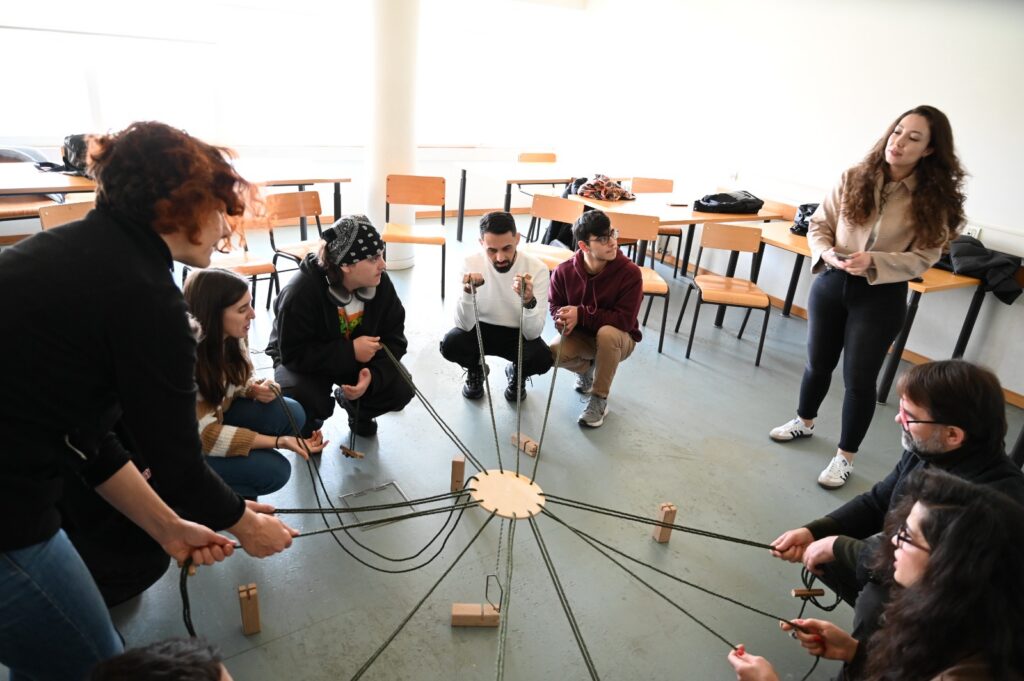
The first day focused on representation, media bias, cultural sensitivity and inclusive facilitation. Through interactive group activities, participants reflected on hidden barriers, stereotypes and communication challenges that can affect participation.
Workshops on media stereotypes, social media bias and AI ethics helped youth workers explore how to support young people in understanding digital media critically and responsibly.
Day 2 – Theatre-Based Techniques for Safe Participation
The second day focused on theatre methods for group facilitation.
Participants used improvisation, role-play and performance techniques to explore bullying, discrimination, exclusion and emotional wellbeing. These activities showed how creative drama in youth work can build empathy, confidence, communication skills and safe spaces for sensitive conversations.
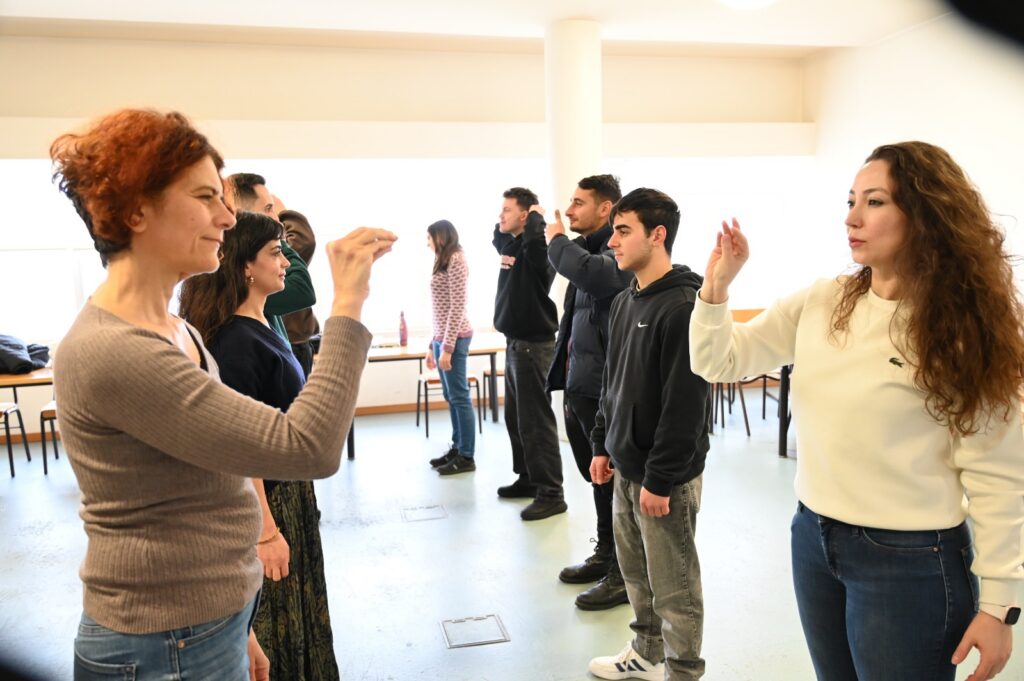
This day was especially relevant to our work in drama teaching strategies, as we will incorporate many of the methods in our teaching strategy training for teachers and adult educators.
Day 3 – Hate Speech, Cyberbullying and Media Literacy
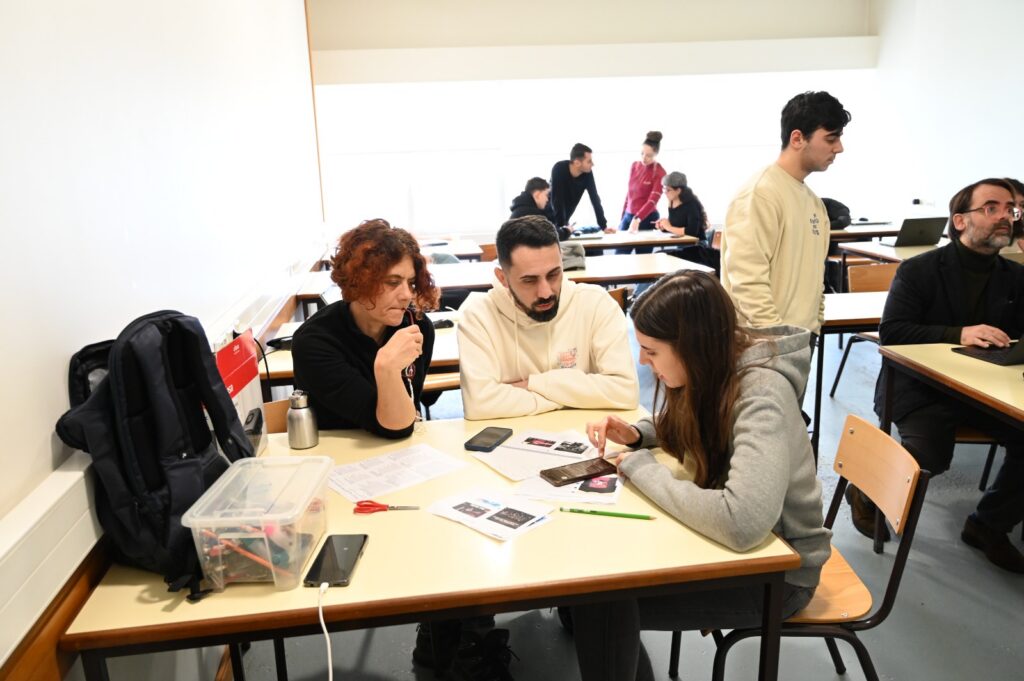
The third day addressed hate speech, cyberbullying, online safety and media literacy education.
Participants analysed real-world online scenarios and discussed how platforms such as TikTok, Instagram and Reddit respond to harmful content. Through role-play and debate, youth workers explored how young people can recognise, report and respond to online hate and digital harm.
Day 4 – Creative Drama and Conflict Resolution
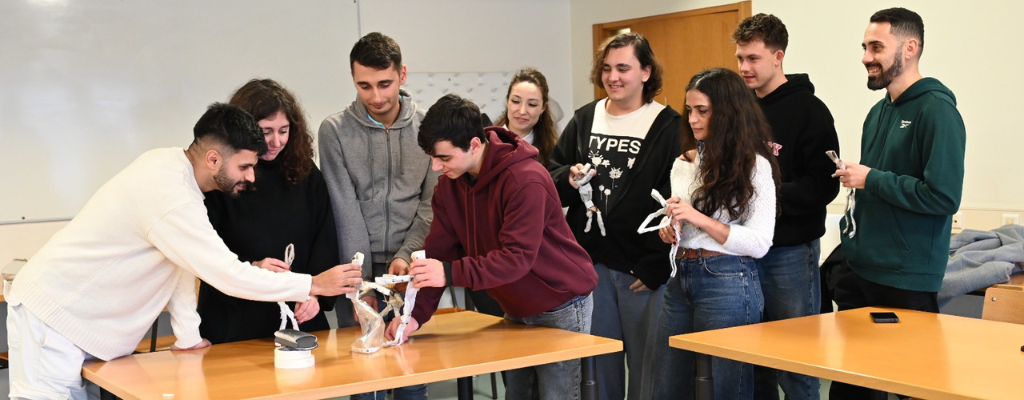
The fourth day focused on storytelling, puppetry and conflict resolution.
Participants used creative activities to explore online and offline conflict situations. Storytelling and puppetry helped create a safe space for emotional expression, perspective-taking and problem-solving.
We will transfer these methods to school training, adult education and community learning, where storytelling can support inclusion, communication and conflict management.
Day 5 – Digital Rights and Youth Empowerment
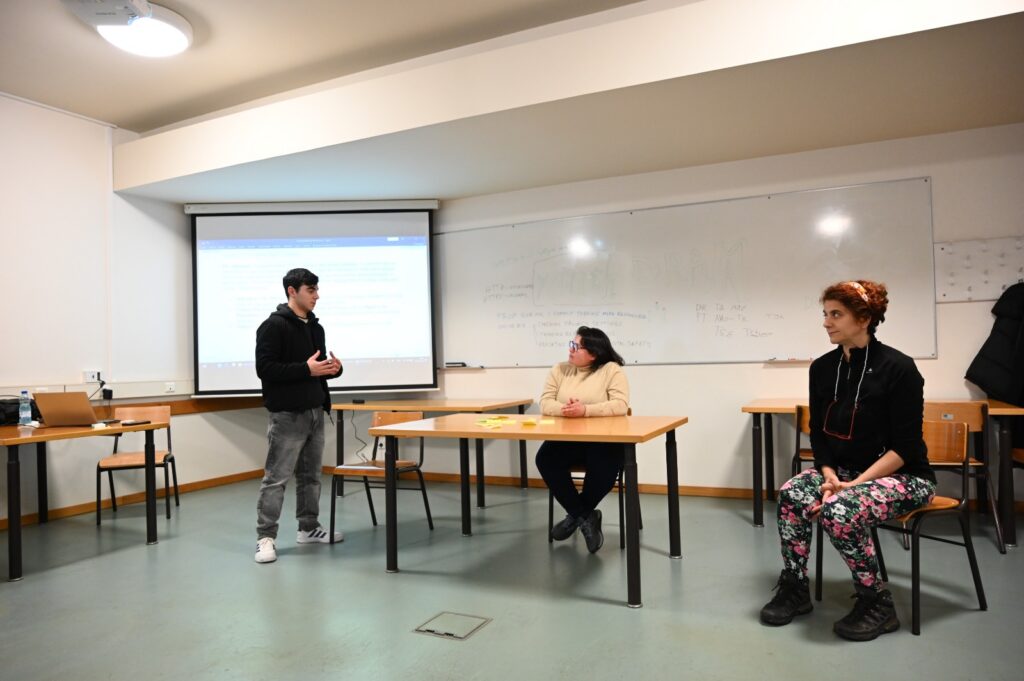
The fifth day explored digital rights, privacy, data protection and online safety for young people.
Interactive activities and role-play helped participants reflect on how young people experience safety, freedom and responsibility online. The day also included practical work on organising webinars and workshops for digital youth work training.
Day 6 – Digital Tools, AI and Digital Storytelling
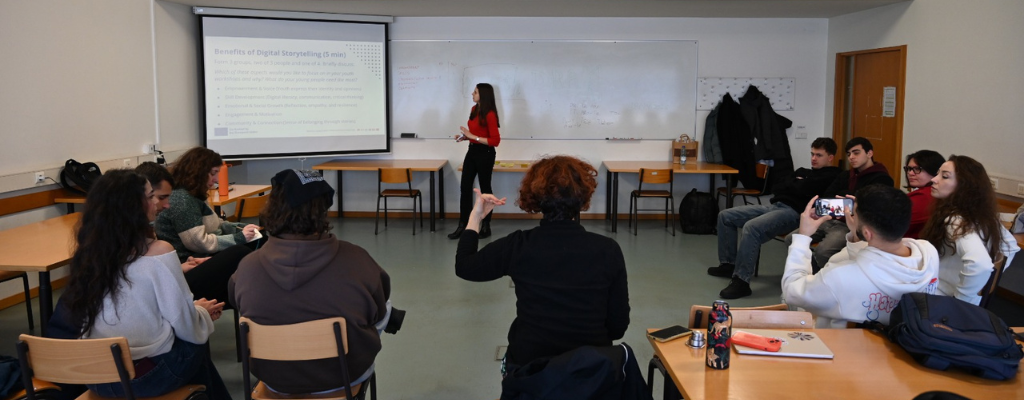
The final day was led by us, as we are experts in educational digital tools and AI training, as well as digital storytelling training.
Participants created storyboards and short AI-supported videos on topics such as racism, bullying, harassment and discrimination. This practical work showed how digital storytelling can support creativity and social awareness when used ethically in education and training.
The Training Material and the Next Fully-Funded Opportunity
The Training Course Material can be downloaded on the Youth D.R.A.M.A. project website in 6 languages for free. Youth workers and trainers can use it to train other professionals in their centres.
If you’re a youth worker interested in the project, contact us to take part to local and internatinal training. As part of the project, we’re taking professionals to Berlin in October 2026, fully-funded by the Erasmus+ programme.
Training Opportunities for Schools and Adult Institutions
For HESL, this learning experience directly supports the development of our training methods, as they can be transferred to teachers, adult educators and education staff.
We will now bring this knowledge into our wider Erasmus+ course offer on AI and storytelling.
This includes courses such as Creative Drama Teaching Strategies course planned to start on the 12th October 2026. If you want to take part, reach out to us or enquire/apply directly here.